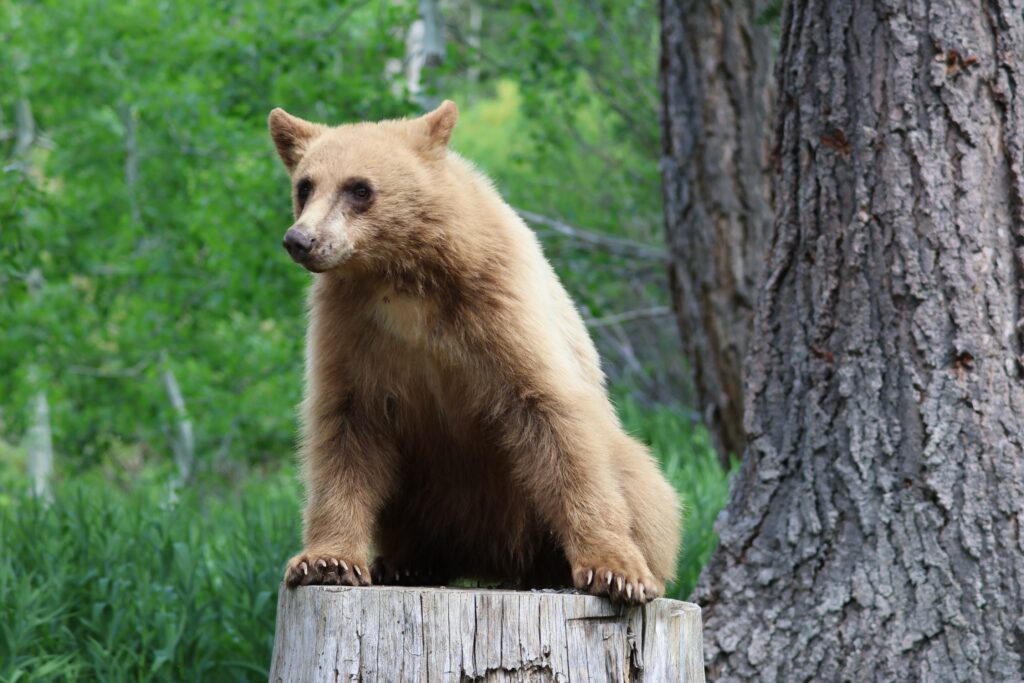
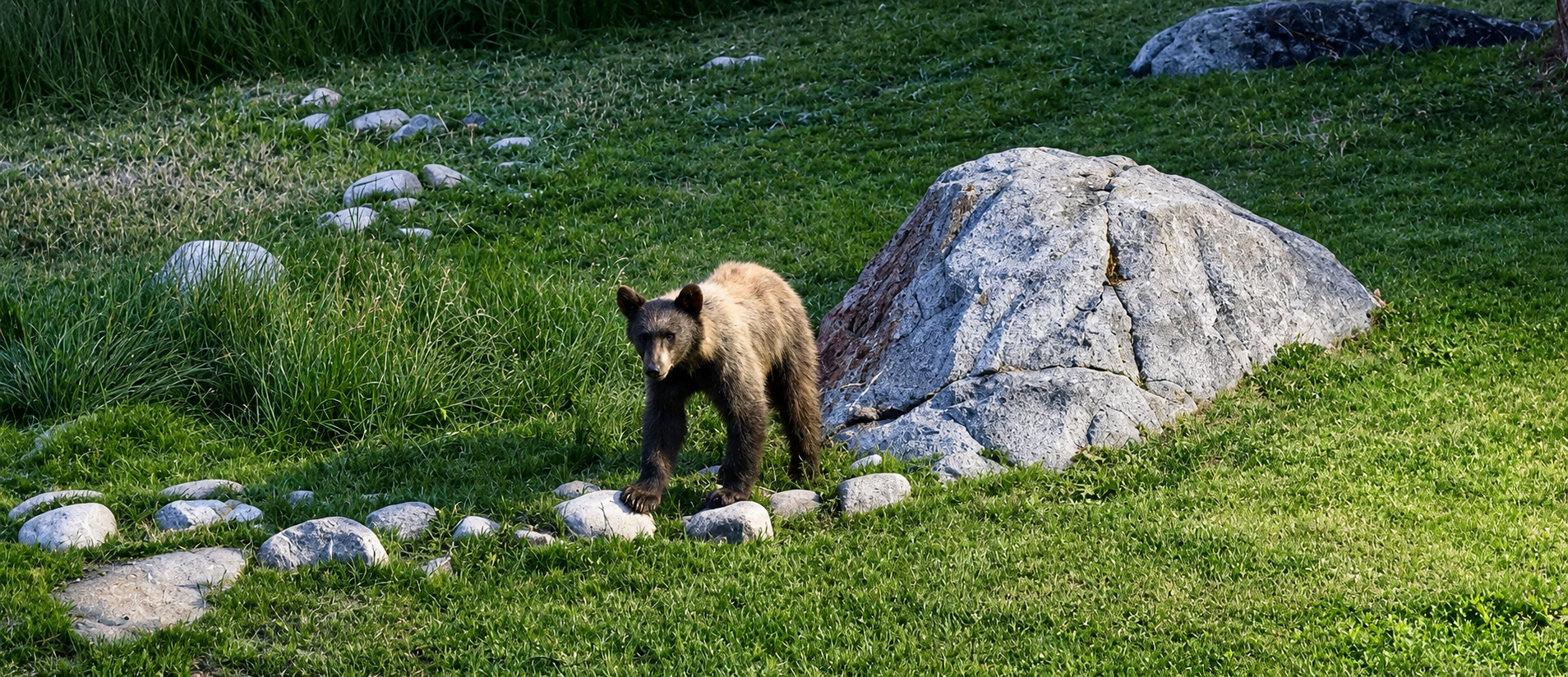
There are bears in my backyard.
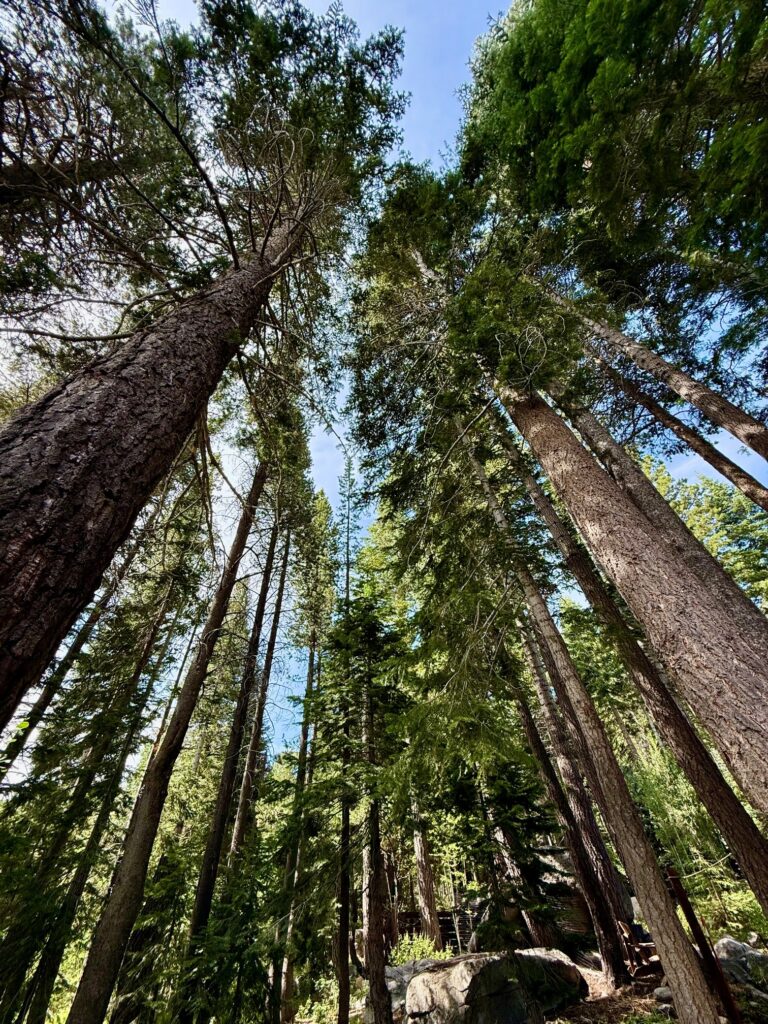
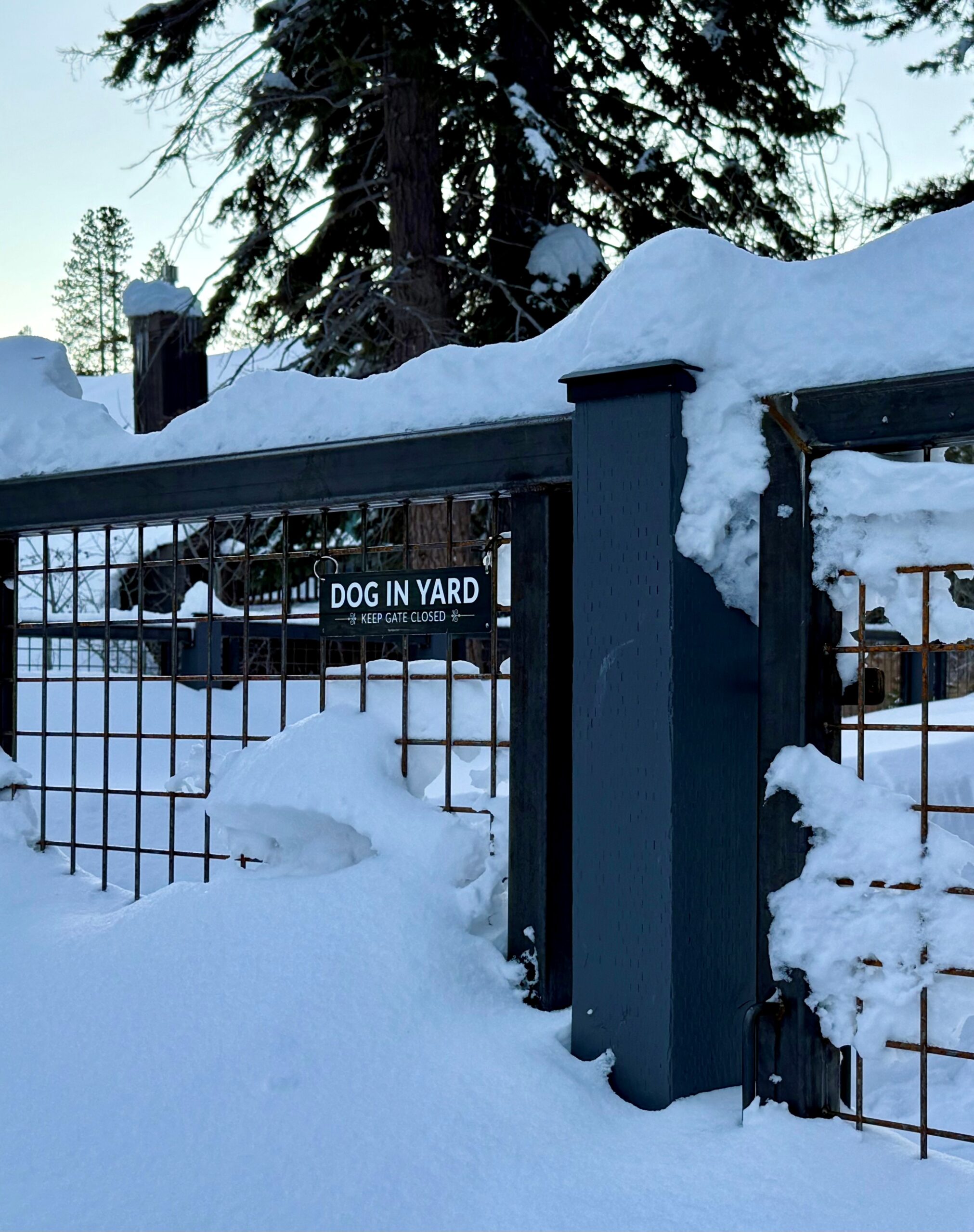
Winter storms send limbs crashing from 200-year-old trees. Snow can bury the landscape under ten feet of ice. By late summer, wildfire danger reaches its highest level. By most definitions, my garden shouldn’t feel safe, yet it always does.
Why? Because what makes me feel safe has less to do with the absence of danger than with the presence of something deeper. My garden reflects who I am, what I value, and how I want to live. It gives me a sense of psychological safety.
In organizations, psychological safety grows from three things: autonomy, belonging, and self-esteem. I believe those same principles apply to landscapes. My garden gives me autonomy through the freedom to create, self-esteem through caring for native plants that support bees, birds, and even bears, and belonging by giving me a place to welcome friends and family into my life.
Most conversations about safe gardens focus on physical safety—lighting, visibility, accessibility, or crime prevention. Research on emotional safety often begins with what people fear. I think we should begin with a different question:
What helps this person feel most like themselves?
The answer is deeply personal. Three men I know all dream of edible gardens. One imagines a vineyard where he can relax and share wine with friends. Another wants a medicinal herb garden to explore natural healing. A third is fascinated by hydroponics, combining healthy food with his love of technology. All three want to grow food, but they’re really growing meaning.
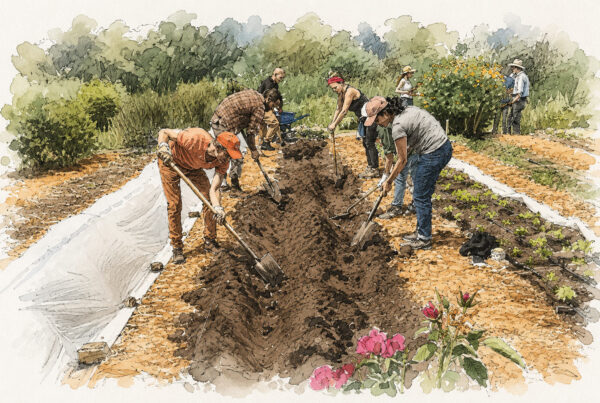
That’s why I believe therapeutic landscapes cannot be designed from a checklist. They must be co-created with the people who will use them. The most restorative gardens reflect a person’s values, interests, memories, and aspirations as much as they reflect good design.
There are still bears in my backyard. I still avoid walking the dog after dark and watch winter storms from my solarium. That’s common sense. What makes my garden feel safe is something much deeper. It gives me the freedom to create, a place where I belong, and a daily reminder of the values I want to live by.
For me, that is psychological safety. The landscapes that restore us most deeply are the ones that reflect who we are and who we hope to be.