How might a garden support wellness goals?
The Wellness Garden Project began with what seemed to be a simple question: what garden elements create feelings of wellness and well-being? As a life-long design thinker, I was curious whether human-centered design might help to answer that question. In the spirit of human-centered design, rather than starting with plants, paths, or benches, I began with people.
Those people included twenty-four participants, young and old, healthy and infirm, male and female. Through one-on-one interviews, each identified their current wellness and well-being goals. They told stories of exceptional gardens from their past and imagined what garden experiences they’d value in the future. Then, we co-created.
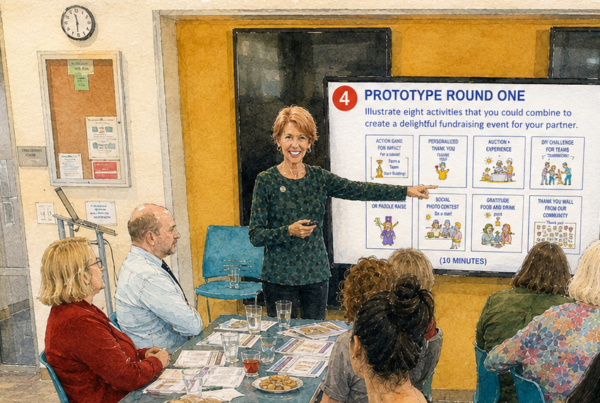
Inspired by each person’s stories, values, goals, and aspirations, I made a garden experience storyboard just for them. Participants reviewed the experience, changing what didn’t quite fit and strengthening what did. They identified the moment that felt most meaningful and described how it would help them meet their wellness or well-being goal.
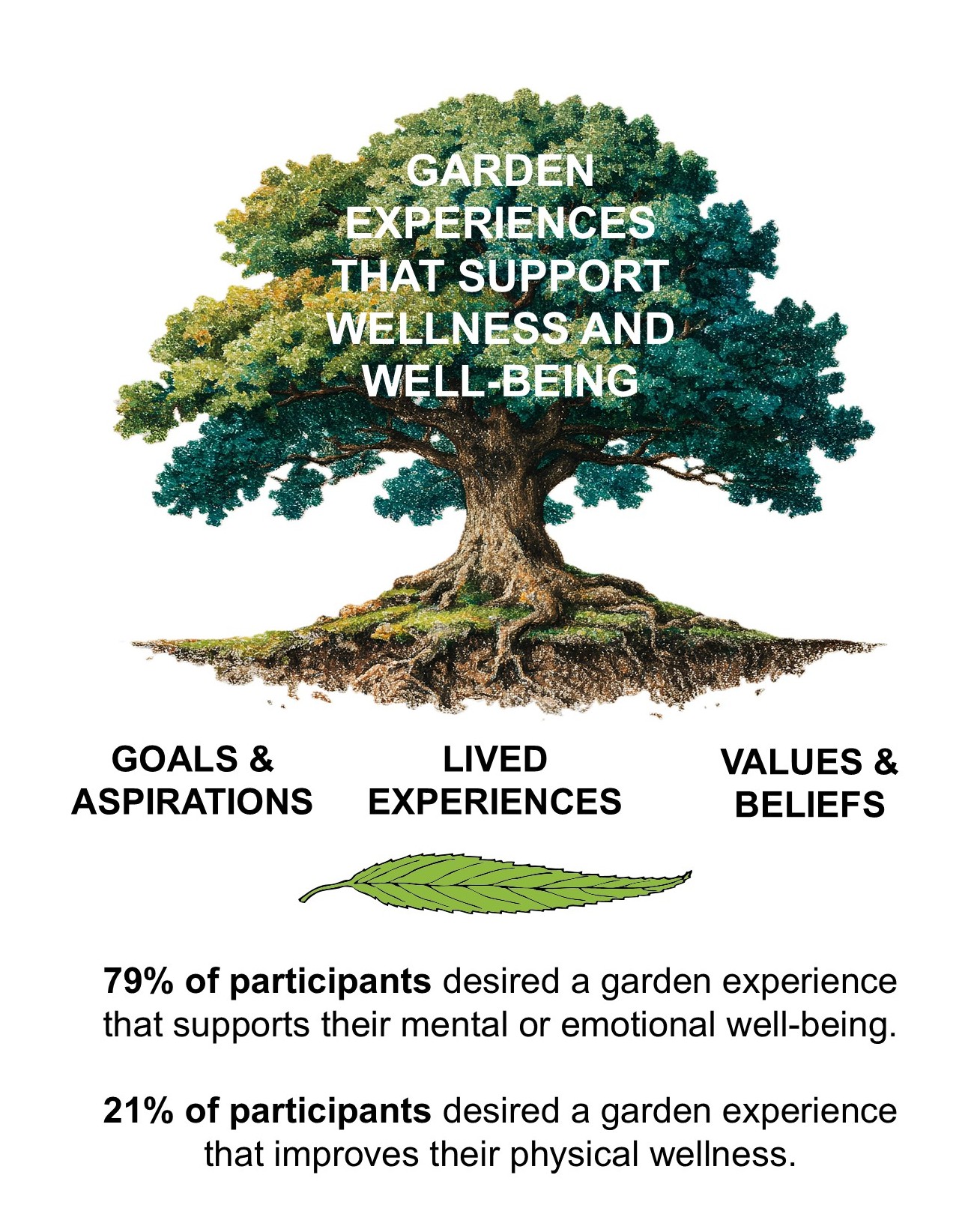
What I learned surprised me in two ways. Most participants weren’t looking for a garden that improved their physical wellness. Nineteen of the 24 chose a mental or emotional well-being goal they believed a garden could support. Only five chose a physical goal.
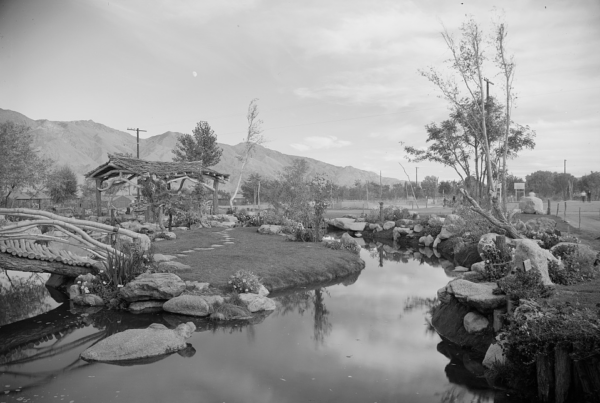
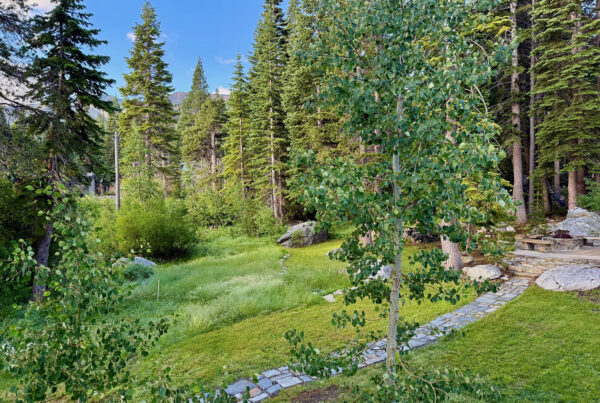
And, just as wellness had different meanings for different people, participants had their own mental model of a garden. For some, it was a formally planted environment or a place to grow food. For others, it was another kind of outdoor environment, touched by human presence but not dominated by it. Each person’s expectation of a garden that created wellness or well-being was just as unique as their stories, values, and aspirations.
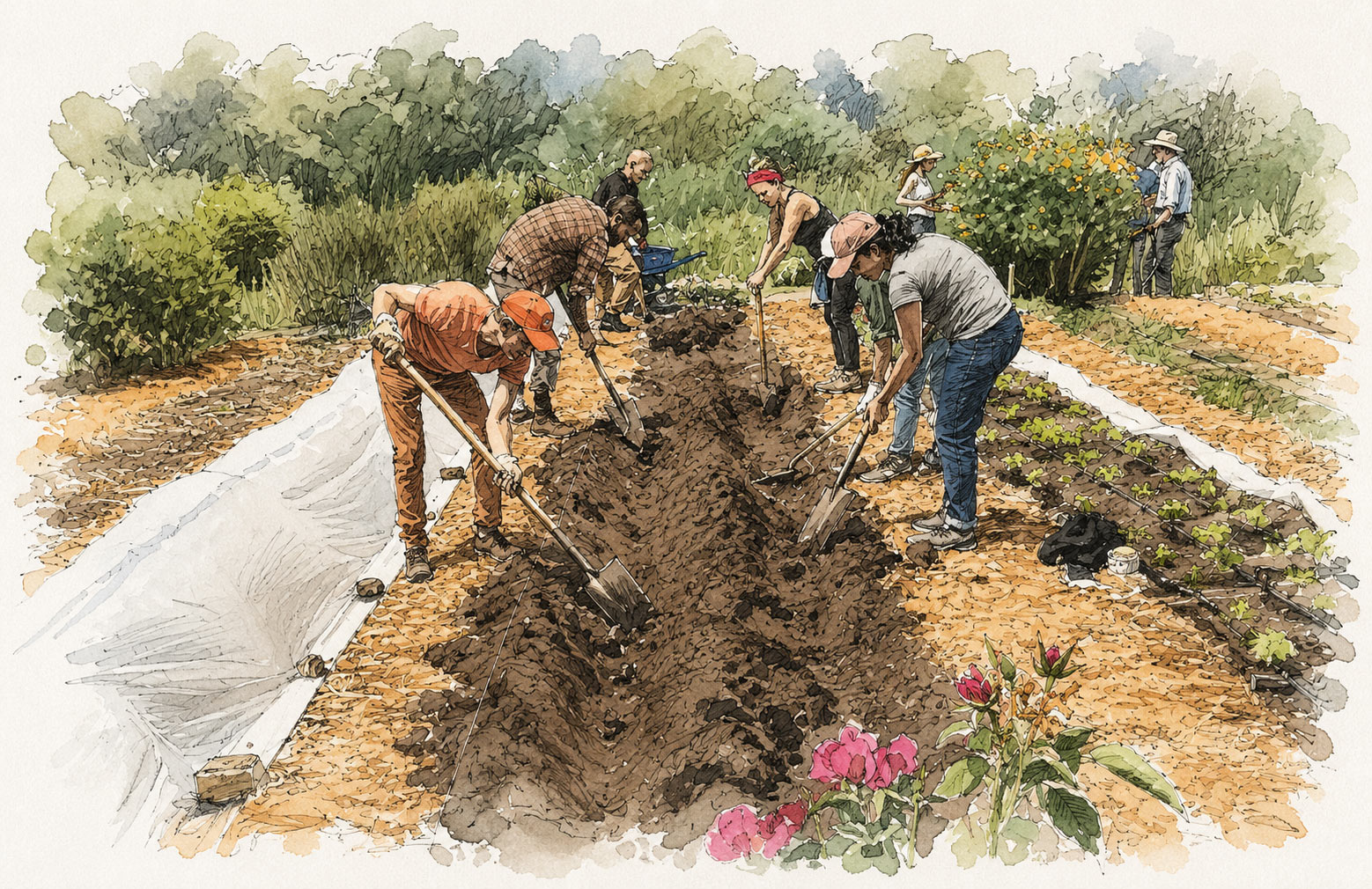
One participant wanted the connections of a community garden. Another sought a solitary space to escape from the city. One person dreamed of tending an orderly vineyard. For another, exploring a national park’s landscape brought mental stimulation.
Long before the twenty-fourth interview it was clear: garden experiences that support wellness and well-being are deeply personal. These were 24 people with 24 different needs, and 24 ideas of what wellness or well-being feels like. A wellness garden isn’t simply a collection of therapeutic features. It’s a relationship between a person and a place, creating an experience that satisfies a present need or future aspiration.
This project reinforced three principles of human-centered design. When designing for people, ask them what they need and surface deeper aspirations through their stories. Create with people, not for them, moving beyond conventional thinking to attain original insights. And explore these ideas through prototypes, allowing participants to evaluate experiences before any stones are laid or soil is turned.
The Wellness Garden Project began with a question about gardens. It became a conversation with and about the people designing them. Many participants told me the process changed how they thought about gardens, and even about themselves. For me, that’s the greatest value of co-creation. Before it helps us design better places, it helps us to better understand the people those places will serve.