
Some gardens don’t simply help people heal. Some help entire communities recover.
One unexpected gift of recovery is time. Following my recent surgery, I found myself with long stretches to read, reflect, and wander through a subject that has fascinated me for decades: healing gardens. But as I explored their history, I discovered something I hadn’t expected.
Three very different places—separated by geography, culture, and history—revealed the same remarkable pattern. Each garden had once been lost or diminished. Each was restored by descendants determined to reclaim something their ancestors had been forced to leave behind. And in every case, restoring the landscape became an act of cultural healing.
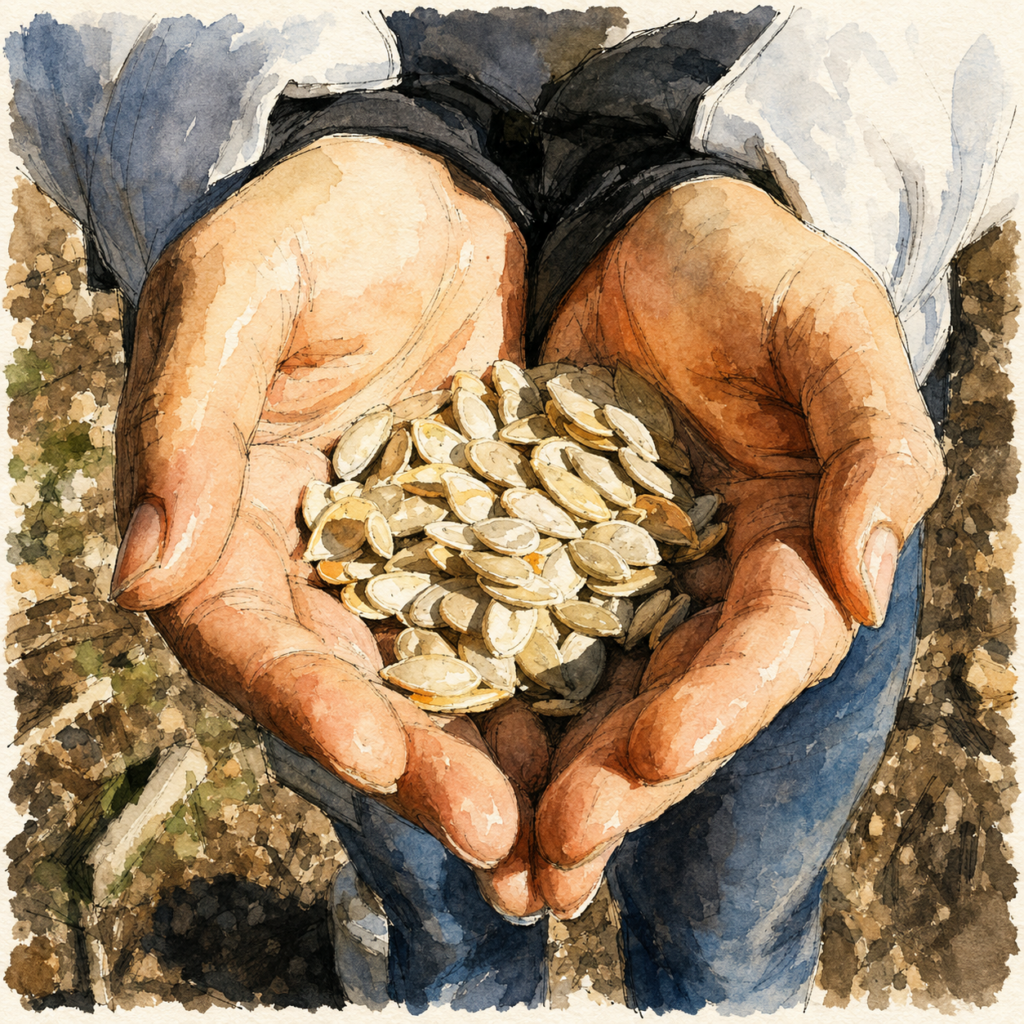
The Bishop Paiute Tribe has lived beneath the Eastern Sierra for more than a thousand years. After losing most of its land and water, the Tribe could easily have viewed agriculture as part of the past. Instead, Elders imagined a different future. Today an innovative aquaponics system conserves precious water while producing food, an heirloom seed bank preserves locally adapted crops, and families once again grow food together. As Program Specialist Morgan Cox explains, “we were originally farmers here…” [i] The gardens do more than provide fresh food—they reconnect the community with its history and its identity.
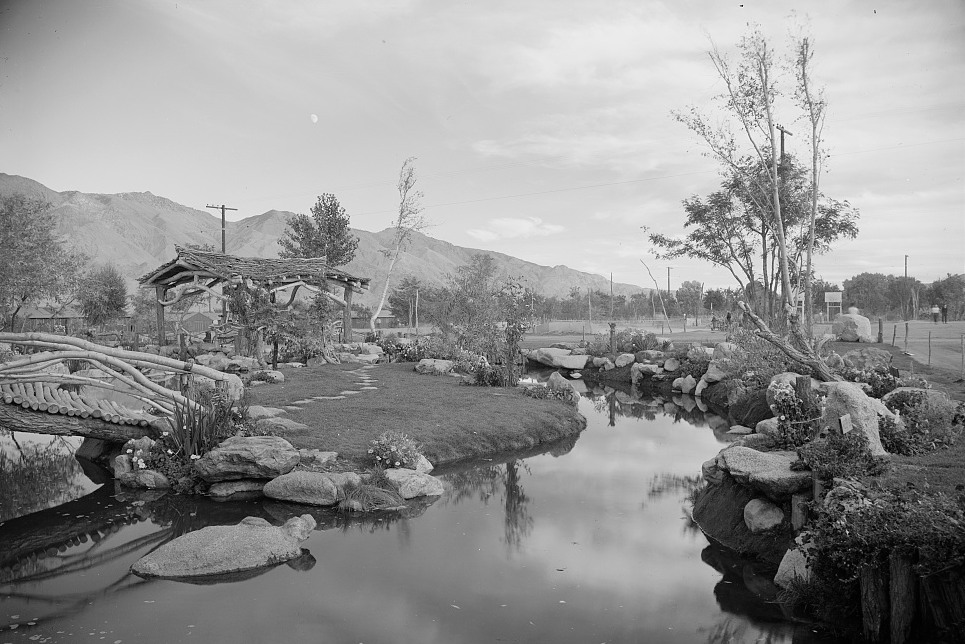
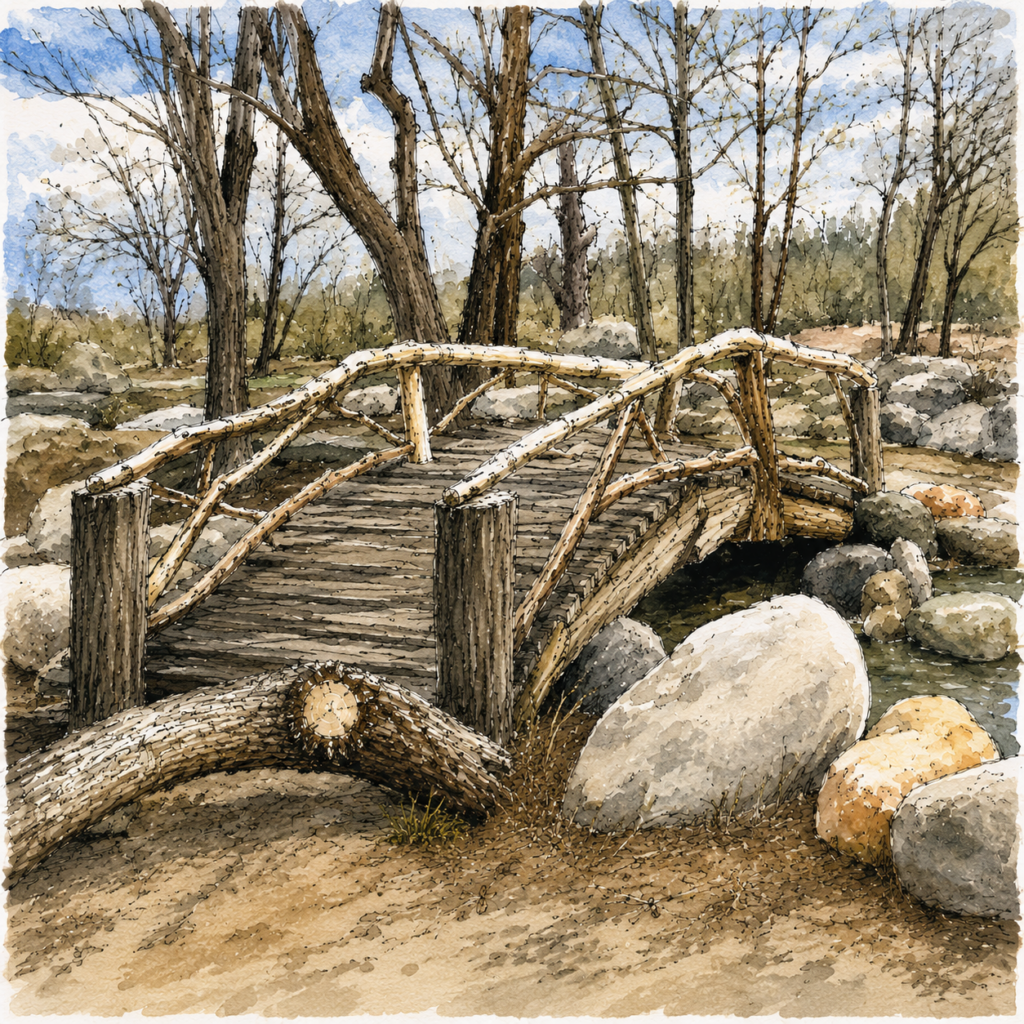
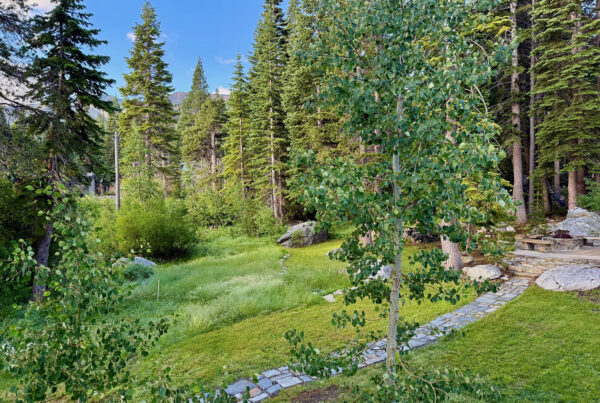
At Manzanar, thousands of Japanese Americans imprisoned during World War II transformed an internment camp into a place of beauty. One of the most beloved was Pleasure Park, built by volunteers under the leadership of Tak Muto and Kuichiro Nishi. After the war, the gardens were buried and nearly forgotten. Decades later, when Manzanar became a National Historic Site, Kuichiro’s son Henry returned with historic photographs to help reconstruct the garden his father had created.[ii] Restoring the bridge and uncovering the landscape became far more than historical preservation. It restored a tangible connection to resilience, dignity, and cultural pride.
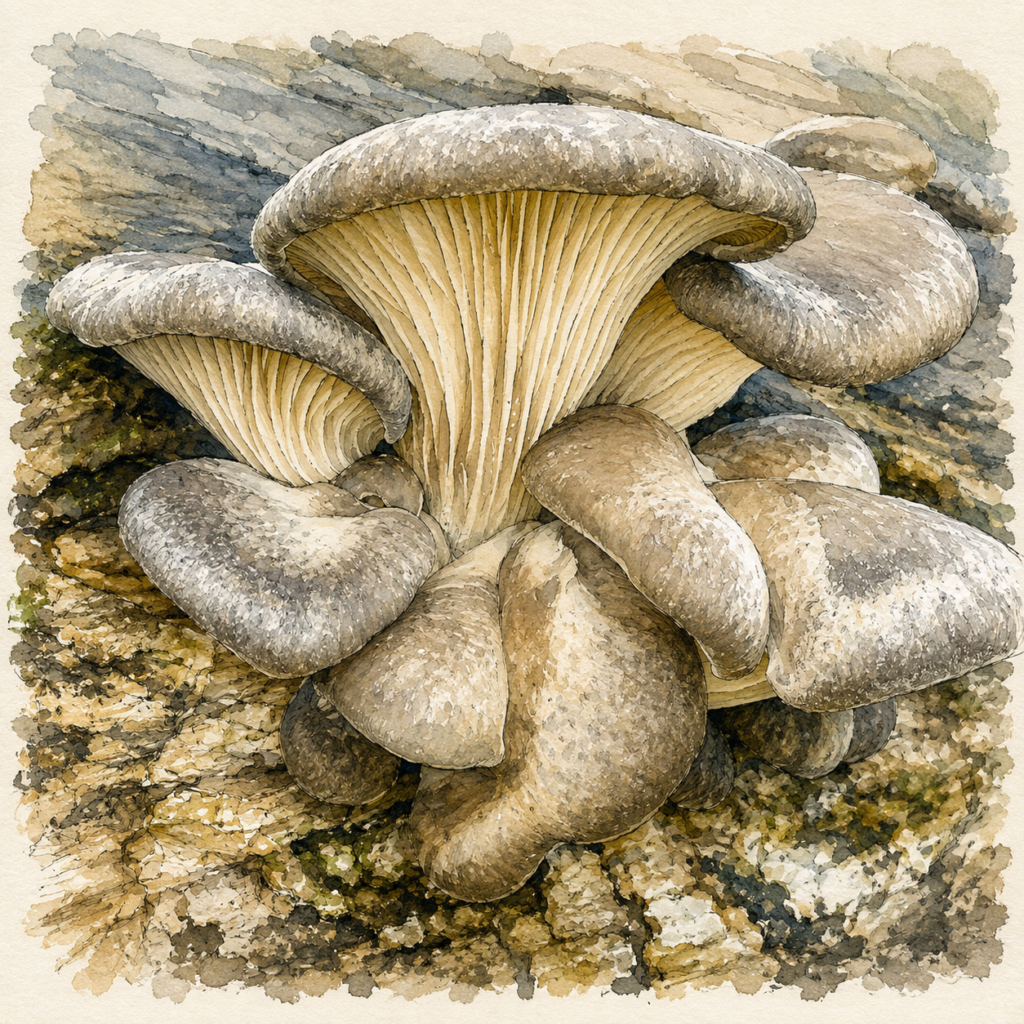
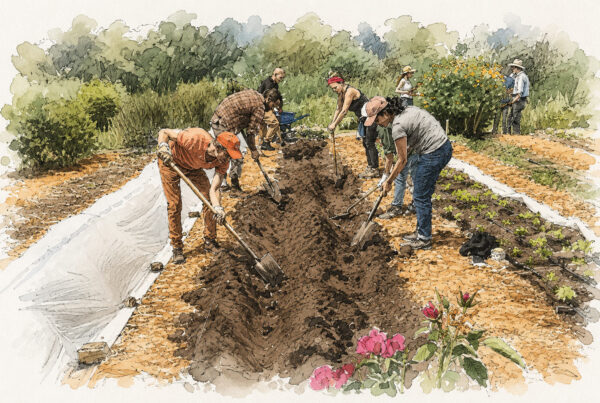
The Altadena Community Garden tells a more recent story. For fifty years it served as a neighborhood gathering place until the 2025 Eaton Fire left its soil contaminated with lead. The fire devastated a community long known as a center of Black homeownership and culture, destroying thousands of homes. Many had remained in the same families for generations. Faced with such overwhelming loss, residents could easily have abandoned the garden. Instead, they launched an extraordinary ecological restoration using compost, mushrooms, worms, and native plants to heal the soil naturally. As new life emerged, so did hope. Garden president Joe Nagy described the moment the first mushrooms appeared as the point when despair began to give way to possibility.[iii]
Three gardens. Three cultures. Three acts of restoration.
At first glance these stories seem unrelated, but together they reveal a deeper truth. Healing a landscape can also heal memory. It can reconnect people with traditions, restore pride in their heritage, and strengthen communities that have endured profound loss.
Perhaps that’s the highest purpose of a healing garden: not simply to restore the people who walk through it, but to help restore the stories, identities, and communities that give those people a place to belong.
[i] https://eslt.org/2026/01/13/how-food-sovereignty-builds-community/
[ii] https://manzanarcommittee.org/2011/05/31/nishi-family-returns-to-manzanar-to-help-rebuild-historic-bridge-at-merritt-park/
[iii] https://www.kcrw.com/shows/kcrw-reports/stories/meet-the-mushrooms-saving-the-altadena-community-garden
How kind it was of Ansel Adams’ family to place his Manzanar photos in the public domain.