A conversation that changed the way I think about gardens
When Jim and I married we merged two households and looked for a place to grow old together. Since we were already in our sixties, a single-story home seemed like a smart investment in our future. We didn’t expect to test that theory six months later.
After I broke my ankle in four places, I learned about life on a scooter. Thankfully, our new house passed the accessibility test with flying colors. The garden? Not so much.
At the time, we had just begun renovating our acre-plus property, which looked as though the thistles and gophers had signed a long-term lease. Instead of feeling discouraged, I realized we had stumbled into the perfect opportunity to test accessible garden design – many years earlier than we’d planned.
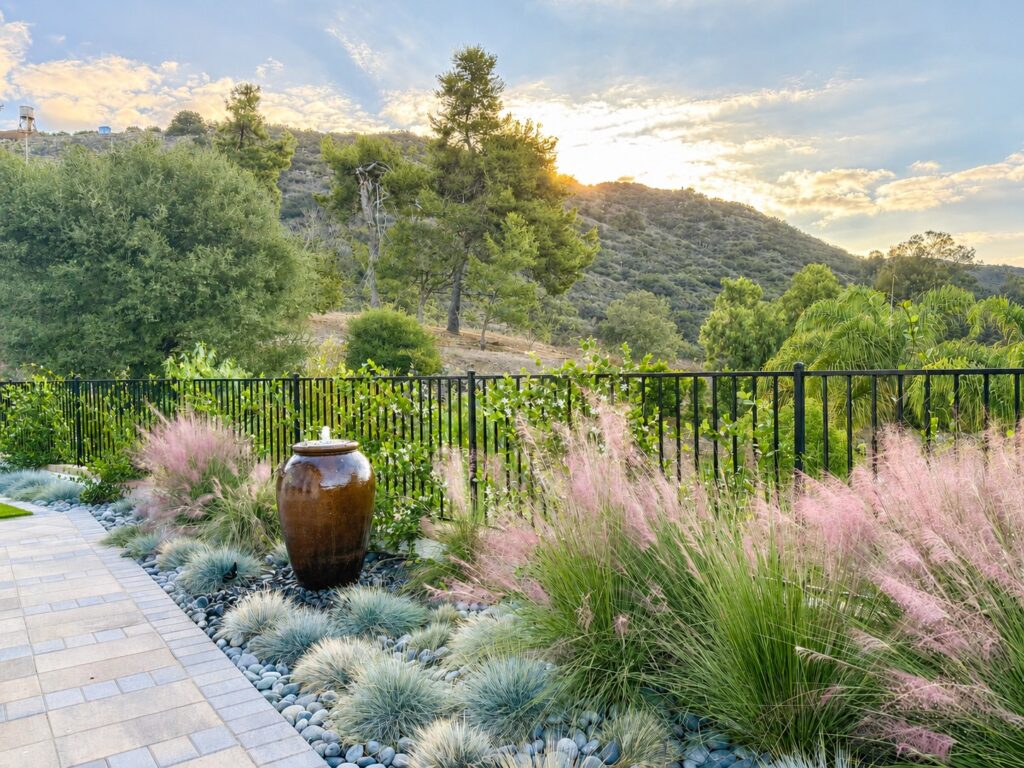
We replaced obstacles with inviting pathways of pavers and gravel, kept thresholds low, and added artificial turf where it made sense. The landscape became easier to navigate while also being drought tolerant and fire-hardened – important features for life in rural Southern California.
As the months passed, our garden found its personality. A fenced yard became dog headquarters, a sunny hillside transformed into a pollinator haven, and the whole property grew into a place where we enjoy spending time. We both liked the views and appreciated that the garden didn’t demand endless weekends of maintenance. But for Jim, it felt like something was missing.
When I began my Wellness Garden Project, I recruited him as one of my first participants. It turns out that interviewing your new husband is an excellent way to learn something you never knew about him.
By then, my ankle had healed, and Jim had completed a series of surgeries that dramatically improved his breathing, vision, and even his sense of smell. When I asked about his wellness goals, he didn’t talk about flower beds or patios. He simply wanted what the Eagles sang about: a “peaceful, easy feeling.”
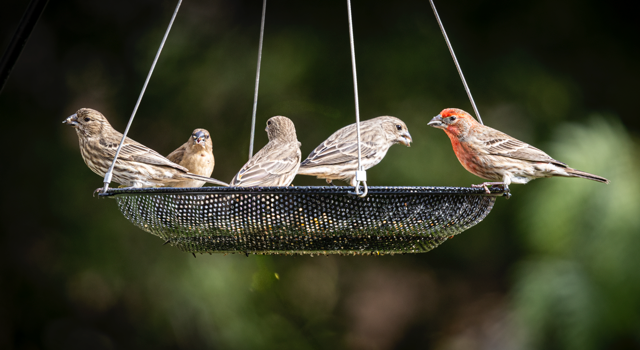
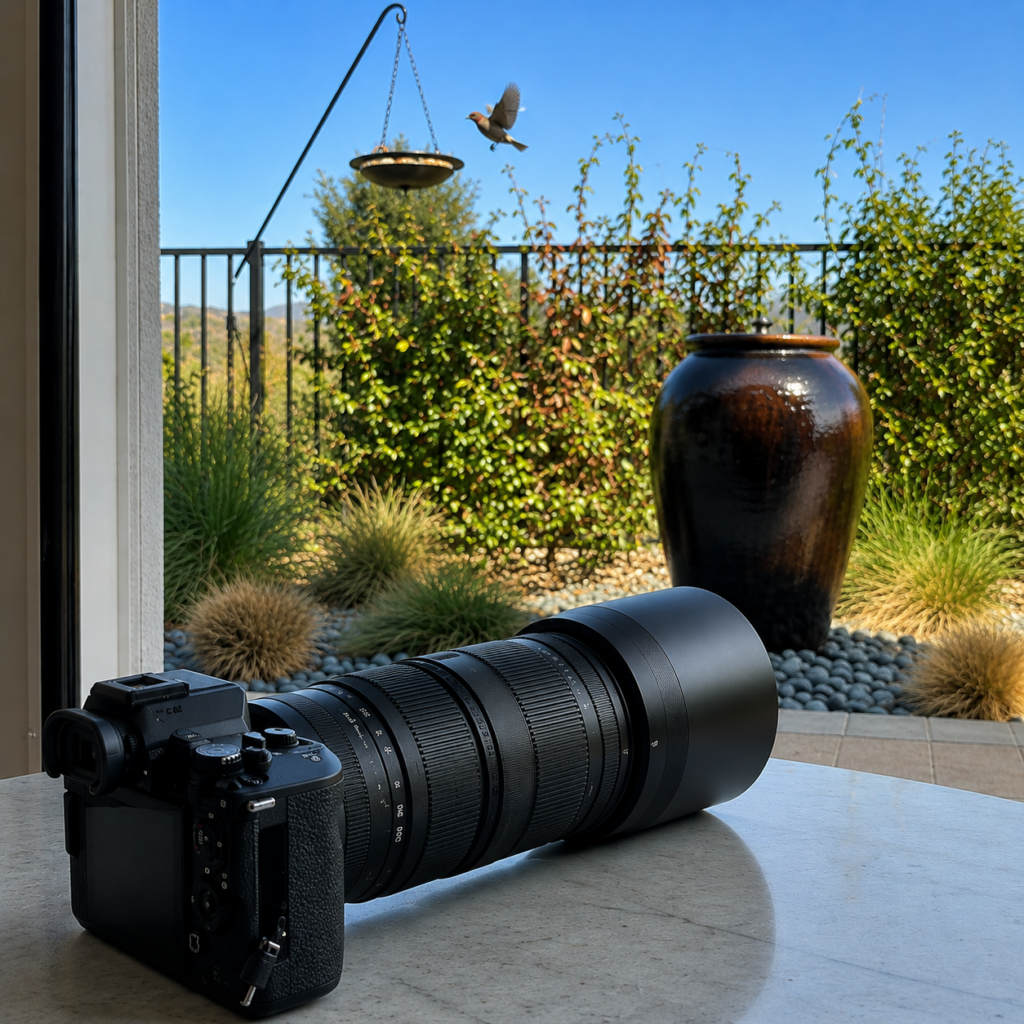
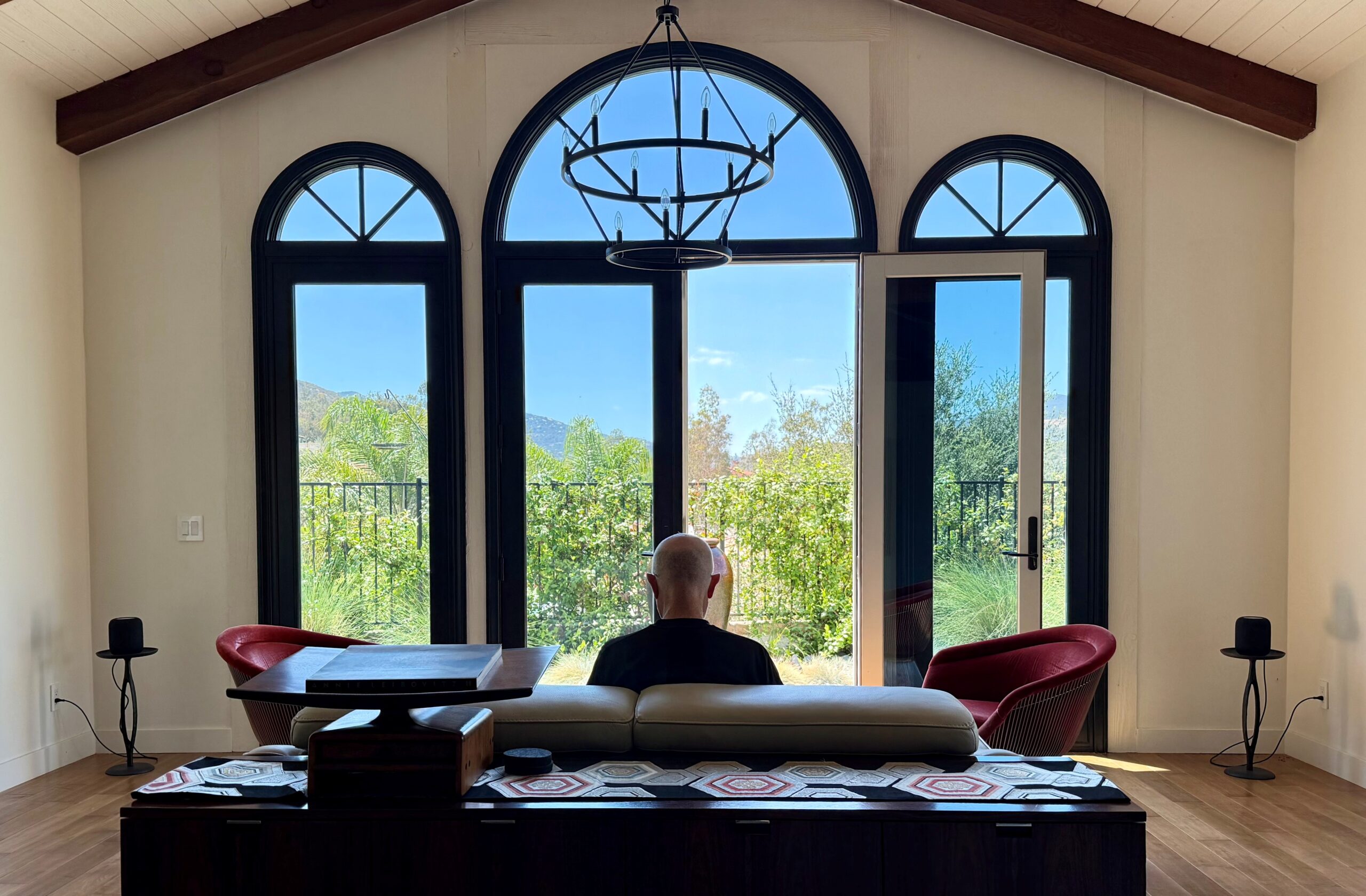
As an accomplished photographer and lifelong music lover, Jim imagined a cozy place where he could listen to his favorite albums while keeping an eye on the birds outside. Together we transformed an underused corner of our living room into a sunny little solarium. He affectionately calls it his “Soundgarden.” A bird feeder just beyond the window attracts a steady parade of visitors, soft rock drifts through a set of speakers, and his camera is within reach for the next great photo.
Looking back, our garden renovation was much more than a landscape project. It became a delightful collaboration as husband and wife – a place that helped us recover, discover, and dream together. I thought I was interviewing my husband for a research project. Instead, he reminded me of something essential: well-being is deeply personal. Even the people we know best can surprise us when we stop assuming and start asking.