It took more than fifty years for my life’s nurture to meet its nature.
I was adopted at three days old and did not meet my birth family until my late fifties. People often assume that reunion must have been an emotional turning point. In truth, it wasn’t dramatic. What it gave me was something quieter and, to me, more valuable: understanding.
My adoptive parents were loving, generous people who shaped my life.
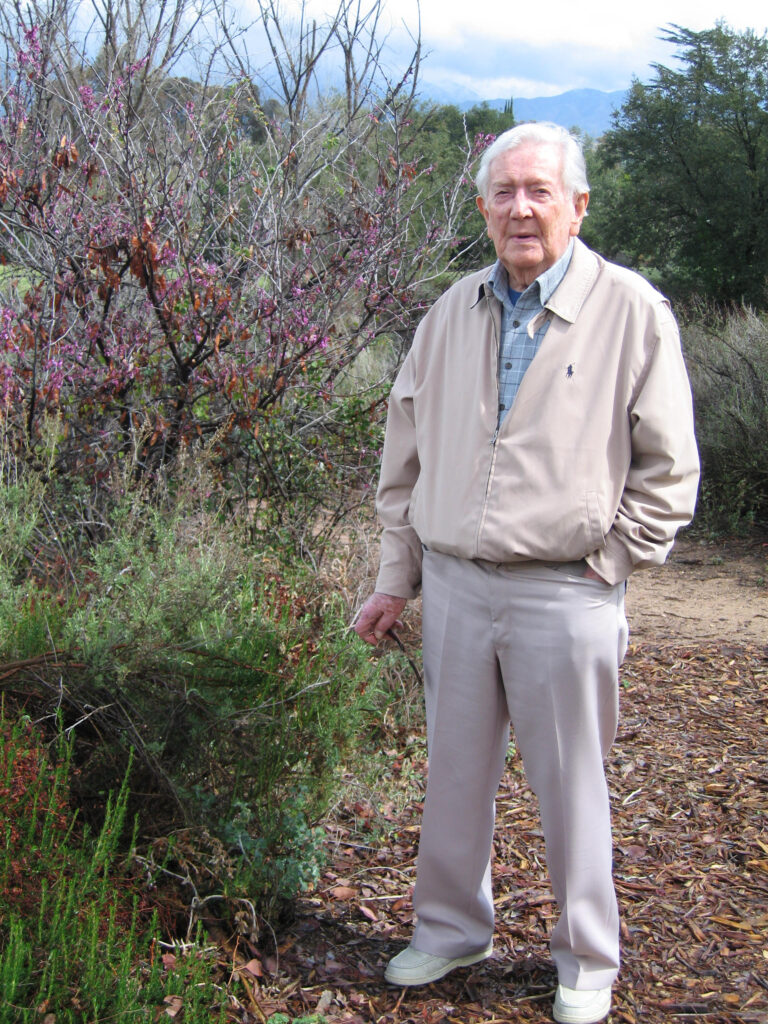
My father loved forests, fishing, and gardening. Every summer he took a month off work so we could camp in forests throughout the west. At home he tended a productive garden and shared its fruits and vegetables with friends and neighbors. Later, in retirement, he volunteered at a nature park, cultivating native plants. Looking back, he lived comfortably in two worlds – the cultivated garden and the wild landscape.
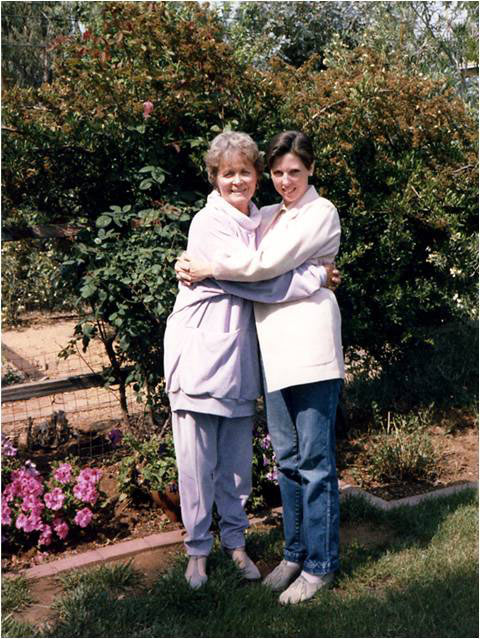
My mother expressed herself differently. She was creative, sentimental, and deeply attached to home. As a child she famously dyed her cat bright colors. As an adult she rearranged furniture with joy and made sure every outfit was perfectly coordinated. Her rose garden became a living memorial, with a different rose chosen for each loved one she lost. After my parents moved to assisted living, she never quite forgave me for selling the home and garden she cherished.
They often told me how different I seemed from the two of them. Dad couldn’t understand why I chose college and a career instead of raising a family. Mom couldn’t understand why I preferred reading in a library to attending parties. Yet they never questioned my choices. They surrounded me with love, encouragement, and freedom. I cannot imagine a better childhood.
After my father died, I found a document containing my birth mother’s name, Martha Woods. It took me more than a year to begin searching for her and less than an hour to find her.
The trail led to an old newspaper story about my grandfather, David Woods, who staged the famous Seabiscuit–War Admiral match race at Pimlico. The article recounted Martha and her brother visiting the racecourse to commemorate the race and their father. That fast, I discovered my birth family.
By the time we met, Martha was in hospice care. During those final weeks, she shared stories of her life and told me about my birth father, whose family included generations of Swiss artists. On my mother’s side were writers and storytellers. Suddenly, pieces of myself that had always felt mysterious began to make sense.
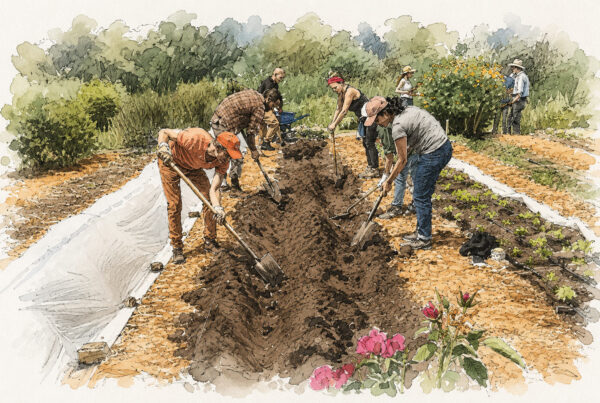
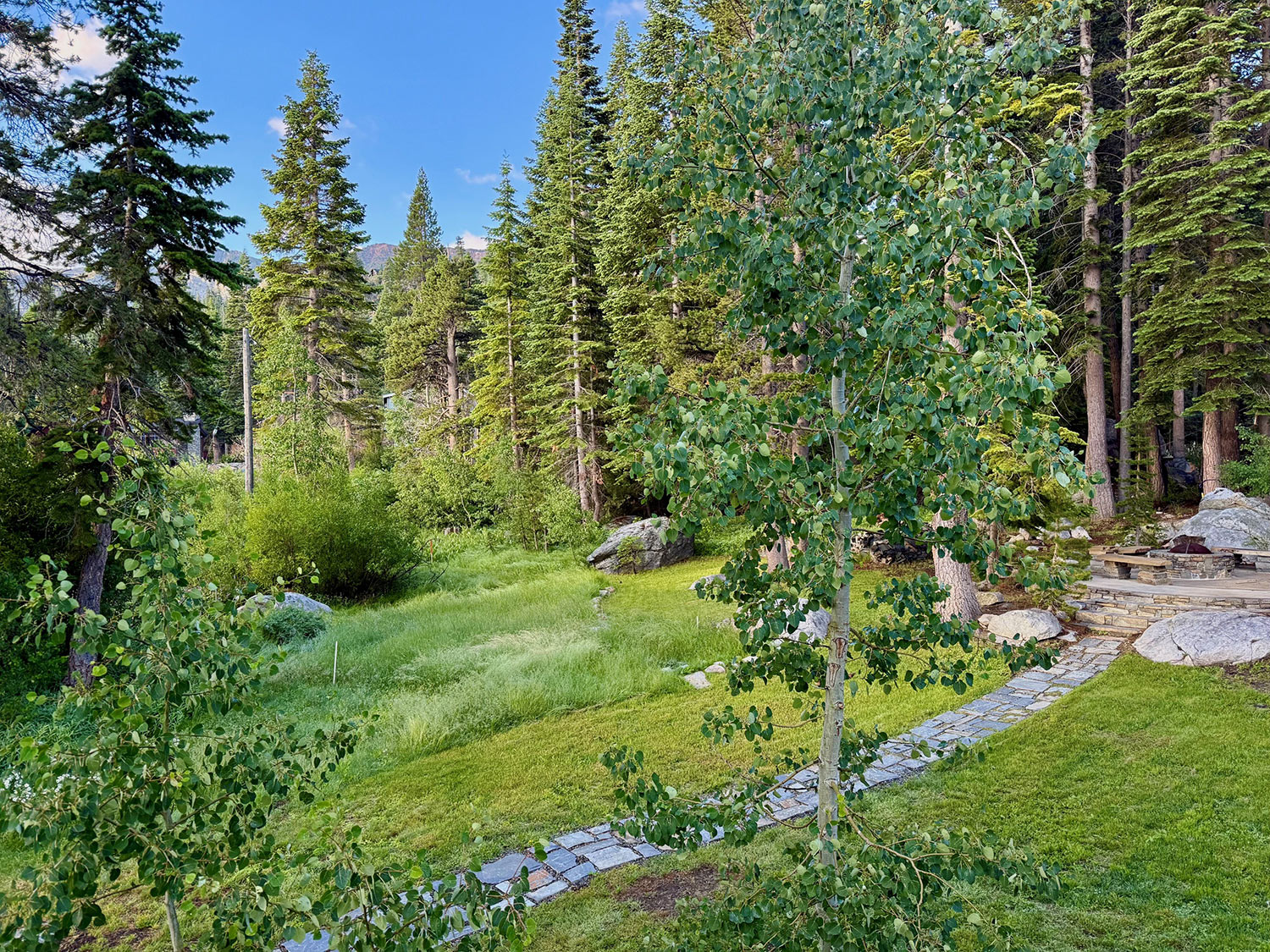
Today, I see those influences gathered in one place: my mountain garden.
The forest, wildlife, and native plants reflect the outdoor world my father enjoyed. The wildflowers honor my mother’s creativity and love of color. My fascination with design echoes generations of artists, while my love of writing and research reflects the storytellers who came before me.
What once seemed like separate parts of my identity are finally connected. My garden is the meeting point between nature and nurture – the inheritance of four families woven into a single landscape. It brings me comfort, purpose, and joy.
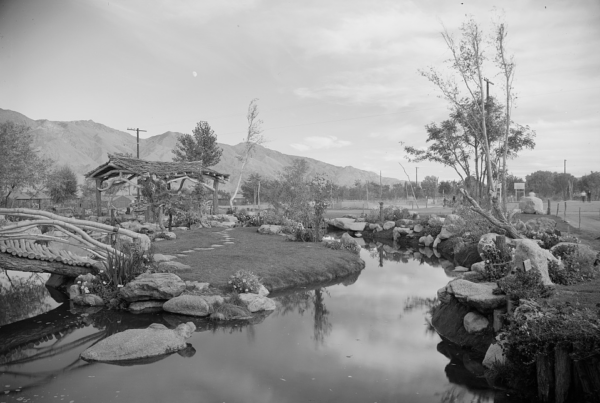
Perhaps that is why gardens can be so powerful. The landscapes that nurture our well-being are rarely just collections of plants. They become expressions of who we are, shaped by the people who raised us, the people who came before us, and the lives we choose to create.